


Impact of Liquor Licenses on Businesses
- LaxmiKant Palla
- Sep 13, 2025
- 3 min read

Updated: Sep 15, 2025
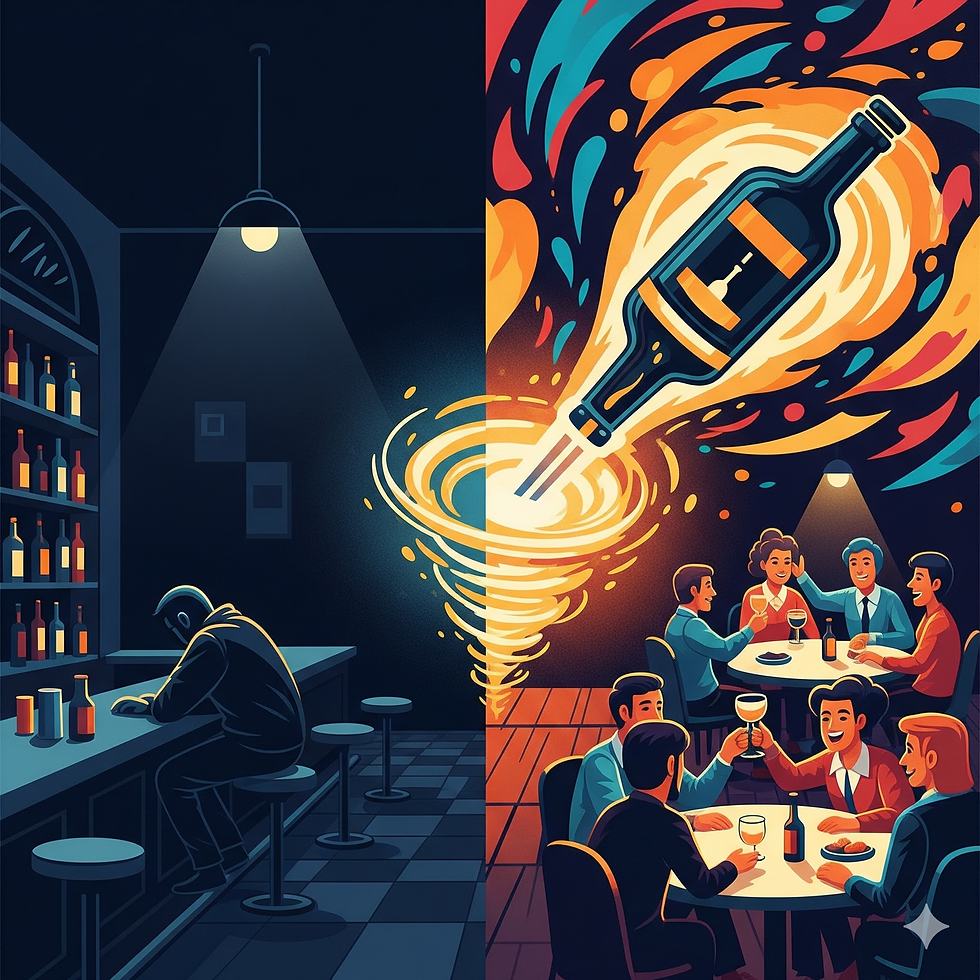
In India, the hospitality and retail industries are closely tied to state regulations, especially when it comes to the sale and service of alcohol. One of the most important legal permissions required is a liquor license. A valid license not only ensures compliance with law but also directly impacts the growth, credibility, and revenue of a business. Entrepreneurs often search for how to register liquor licence because the process can be complex, yet its importance in shaping business outcomes cannot be overlooked.
Why Liquor Licenses Matter
For any establishment—whether a bar, restaurant, club, or retail shop—a liquor license is more than just a legal formality. It determines the scope of business operations and the kind of customers the business can attract. A licensed bar or restaurant is often viewed as more professional and trustworthy compared to unlicensed competitors. In fact, many corporate clients and high-end customers refuse to engage with businesses that lack valid licenses, as it exposes them to legal and social risks.
The impact is not just about customer trust; it also extends to the pricing and availability of beverages. Licensed businesses can legally stock branded alcohol and premium spirits, which can significantly increase their profit margins. On the other hand, establishments that fail to secure a license face heavy fines, raids, and even permanent closure.
Financial Impact on Businesses
The financial side of liquor licensing is twofold: it comes with an upfront cost, but it also opens doors to long-term revenue. For instance, a restaurant in Mumbai that acquired an FL-III license for serving alcohol reported a 40% increase in monthly revenue. Alcohol sales often have higher profit margins compared to food, making them a crucial revenue stream in the hospitality sector.
At the same time, the cost of obtaining a license varies from state to state and by category. Businesses must carefully budget for this, as in some metro cities, license fees can run into lakhs of rupees. However, the return on investment is usually significant, as liquor sales enhance customer experience and encourage repeat visits.
Real-Life Example: Delhi’s Crackdown on Unlicensed Restaurants
In 2025, the Delhi Excise Department launched a crackdown on unlicensed restaurants serving alcohol illegally. Over 24 establishments were booked for operating without proper licenses, leading to heavy penalties and loss of reputation. One restaurant in North Delhi that had gained popularity for its affordable cocktails was forced to shut down operations temporarily, losing months of revenue and customer trust.
This case highlights how crucial it is for businesses not only to know how to register liquor licence but also to ensure timely renewals and compliance with state excise rules. Failure to do so can undo years of brand-building and investment.
Legal and Compliance Advantages
A valid liquor license provides businesses with strong legal protection. It ensures that the business can operate without fear of raids or penalties. Moreover, licensed establishments are often preferred for partnerships, sponsorships, and event collaborations. For example, hotels with bar licenses are frequently chosen for corporate events, weddings, and conferences, boosting their overall bookings and reputation.
Additionally, holding a liquor license makes the business eligible for wholesale purchases from authorized distributors, reducing procurement costs. This ensures a steady and legal supply chain, which is vital for maintaining quality and customer satisfaction.
Customer Experience and Market Growth
For restaurants and bars, customer experience is at the heart of their success. Serving alcohol legally enhances customer satisfaction and makes the establishment a preferred destination for social gatherings. Many urban customers expect restaurants to offer alcohol as part of the dining experience, and not having this option can limit the market reach.
Licensed businesses also find it easier to expand operations, either through new branches or franchising, as investors view them as compliant and growth-ready. This makes liquor licensing not just a legal necessity but also a growth enabler.
Conclusion
The impact of liquor licenses on businesses is far-reaching. From boosting revenue and attracting premium customers to ensuring compliance and protecting reputation, a license is central to success in the hospitality and retail industries. The risks of operating without one are severe, as seen in real-world crackdowns. For entrepreneurs, understanding how to register liquor licence is the first step towards building a sustainable, profitable, and credible business in India’s alcohol sector.


Comments